
Displaced populations face unique health challenges and barriers
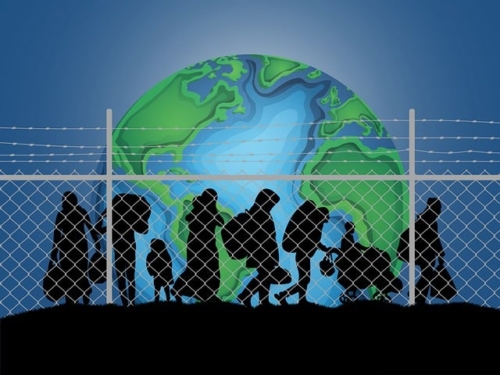
Refugee and Migrant Health: Protecting Vulnerable People on the Move
Amina fled Syria in 2015 with her three children after bombs destroyed their neighborhood in Aleppo. The harrowing journey to Europe took three months—traveling by foot, crowded trucks, and a dangerous boat crossing where several fellow passengers drowned. When her family finally reached a refugee camp in Greece, Amina thought their ordeal was over. Instead, new health challenges began. Her youngest daughter developed chronic diarrhea from contaminated water in the overcrowded camp. Her son’s asthma worsened from sleeping in a cold, damp tent with no medication available. Amina herself struggled with severe depression and anxiety from trauma, displacement, and uncertainty about their future. Healthcare at the camp was overwhelmed—one doctor for 5,000 refugees, minimal medicines, no mental health services, and no treatment for chronic diseases.
Amina’s family represents a fraction of the approximately 100 million forcibly displaced people worldwide—the highest number ever recorded. This includes refugees fleeing persecution, conflict, or violence, internally displaced persons forced from homes but remaining within their countries, asylum seekers awaiting refugee status determination, and stateless persons without nationality from any country. Beyond forcibly displaced populations, an additional 280 million international migrants live outside their birth countries for economic opportunities, family reunification, education, or other reasons.
According to the World Health Organization, refugees and migrants often face particular health challenges and barriers to accessing healthcare. While refugees and migrants are not inherently less healthy than host populations—many are young, healthy individuals—the circumstances surrounding migration can create health vulnerabilities. WHO emphasizes that ensuring refugees’ and migrants’ health is important not only for their wellbeing but also for public health and social cohesion in host communities. Health challenges include infectious disease risks from overcrowding in camps, inadequate water and sanitation, interrupted vaccination schedules, and limited access to treatment; noncommunicable disease management disrupted by displacement; maternal and child health vulnerabilities; mental health problems from trauma, violence, loss, and ongoing uncertainty; and injuries from dangerous journeys and violence.
Understanding Refugee and Migrant Populations
Refugees and migrants comprise diverse populations with different legal statuses and health needs. Refugees are people fleeing persecution, conflict, violence, or human rights violations who have crossed international borders and cannot return safely. They’re protected under international law with specific rights including access to healthcare. The global refugee crisis has escalated dramatically—in 2023, over 36 million people were refugees, the highest number recorded. Syria, Afghanistan, South Sudan, Myanmar, and Ukraine produce the largest refugee populations.
Internally displaced persons (IDPs) are forced from homes by conflict, violence, disasters, or persecution but remain within their countries’ borders. They number approximately 62 million globally, often facing similar health challenges as refugees but lacking international protection. Asylum seekers are people who have applied for refugee status and await decisions. During this period, they face legal uncertainties affecting healthcare access. Migrants broadly include anyone moving across borders temporarily or permanently for work, education, family reunification, or better opportunities. While migration can be voluntary, many “economic migrants” face desperate circumstances including poverty, climate change impacts, and limited opportunities pushing them to seek better lives elsewhere.
Like maternal health and newborn health requiring specialized approaches for vulnerable populations, refugee and migrant health demands understanding unique circumstances and needs.
Health Challenges During Migration
The migration journey itself creates significant health risks. Dangerous travel routes including desert crossings causing dehydration and heat exposure, sea crossings on overcrowded, unseaworthy boats risking drowning, walking long distances causing injuries and exhaustion, and traveling in crowded, poorly ventilated vehicles spreading infectious diseases all threaten health. Many migrants face violence during journeys including robbery, assault, sexual violence (particularly affecting women and children), trafficking and exploitation, and violence from smugglers or border enforcement.
Environmental exposures harm health through extreme temperatures without adequate shelter or clothing, inadequate food and water causing malnutrition and dehydration, and exposure to disease vectors like mosquitoes in areas with malaria or other diseases. Interrupted healthcare causes medication disruptions for people with chronic diseases like diabetes, hypertension, or HIV losing access to essential medications, missed vaccinations leaving children vulnerable to preventable diseases, and lack of prenatal care for pregnant women risking complications.
Mental health impacts include trauma from violence, loss of family members, and witnessing atrocities, chronic stress from ongoing uncertainty and danger, grief and loss of homes, communities, and familiar lives, and fear about future prospects and family safety. These psychological impacts can manifest as depression, anxiety, post-traumatic stress disorder (PTSD), and other mental health conditions requiring treatment often unavailable during migration.
Health Risks in Camps and Settlements
Refugee camps and settlements, while providing temporary safety, often create new health challenges. Overcrowding with thousands living in cramped conditions facilitates infectious disease transmission including respiratory infections like pneumonia and tuberculosis spreading rapidly in crowded shelters, diarrheal diseases from inadequate sanitation, and vaccine-preventable diseases like measles and pertussis causing outbreaks in undervaccinated populations.
Inadequate water, sanitation, and hygiene (WASH) creates disease risks through contaminated water sources causing cholera, typhoid, and diarrheal diseases, insufficient sanitation facilities spreading fecal-oral diseases, and limited hygiene supplies preventing proper handwashing and menstrual hygiene. Food insecurity and malnutrition result from insufficient food rations causing undernutrition, monotonous diets lacking essential nutrients causing micronutrient deficiencies, and distribution challenges preventing fair access.
Limited healthcare services mean overburdened health facilities cannot meet population needs, insufficient health workers to provide adequate care, medication shortages particularly for chronic diseases, and minimal specialized services like mental health care, chronic disease management, or surgical capacity. Inadequate shelter through tents or temporary structures providing insufficient protection from weather, lack of heating in cold climates, poor ventilation facilitating disease transmission, and fire risks from cooking and heating in crowded conditions all compromise health.
Violence and safety concerns include gender-based violence affecting women and girls, child protection issues including family separation and exploitation, and insecurity within camps from conflicts or criminal activity. Like challenges in occupational health, refugee camp health risks require systematic environmental improvements.
Barriers to Healthcare Access
Even when healthcare services exist in host countries, refugees and migrants face multiple access barriers. Legal and administrative obstacles include unclear legal status affecting healthcare entitlements, documentation requirements that refugees/migrants cannot meet, and administrative complexity navigating unfamiliar health systems. Financial barriers involve lack of health insurance or ineligibility for public coverage, inability to afford out-of-pocket healthcare costs, and poverty limiting ability to pay for medicines or transportation to facilities.
Language and cultural barriers mean inability to communicate with healthcare providers, unfamiliarity with host country health systems and how to access care, cultural differences in understanding illness and treatment, and mistrust of authorities stemming from past persecution or negative experiences. Geographic barriers include living in remote areas far from health facilities, lack of transportation to reach healthcare services, and settlement in areas with inadequate health infrastructure.
Discrimination and xenophobia create hostile environments through stigma and discrimination against refugees/migrants in healthcare settings, fear of deportation preventing care-seeking, and racism affecting quality of care received. Knowledge gaps result from limited information about available health services, unawareness of rights to healthcare, and lack of health education in languages refugees/migrants understand.
Like primary health care access gaps generally, refugee and migrant healthcare barriers require systematic solutions addressing multiple levels.
Health Interventions and Solutions
Addressing refugee and migrant health requires comprehensive approaches. Emergency health services in camps and settlements should provide basic healthcare through primary care facilities, emergency treatment, and mobile clinics reaching remote populations. Essential interventions include immunization campaigns preventing outbreaks, nutritional support addressing malnutrition, maternal and child health services, and infectious disease surveillance and control.
WASH improvements ensure safe water supply, adequate sanitation facilities, hygiene promotion and supplies, and environmental sanitation reducing disease transmission. Mental health and psychosocial support through counseling services, psychological first aid training for healthcare workers and community members, support groups for trauma survivors, and culturally appropriate mental health interventions address psychological needs.
Healthcare access in host countries requires inclusive health policies ensuring refugees/migrants can access essential healthcare, affordable or subsidized healthcare reducing financial barriers, language services through interpreters and translated materials, and culturally competent care respecting diverse backgrounds. Health system strengthening involves increasing capacity to serve refugee/migrant populations, training healthcare workers in refugee health and cultural competency, integrating refugee/migrant health into national health systems, and ensuring continuity of care for chronic diseases.
Community engagement empowers refugee/migrant communities through participatory approaches in health program design, community health workers from refugee/migrant communities providing culturally appropriate care, health education in relevant languages addressing specific needs, and addressing social determinants of health including housing, education, and employment. Like One Health requiring cross-sectoral collaboration, refugee health demands coordinated humanitarian and development responses.
Amina’s Progress
Five years after arriving in Greece, Amina’s family resettled in Germany through a refugee resettlement program. Access to comprehensive healthcare transformed their lives. Her daughter’s chronic diarrhea was properly diagnosed and treated. Her son received asthma medications and an inhaler, controlling his symptoms. Amina received mental health counseling and treatment for depression and PTSD. The family enrolled in German language classes and health education programs teaching them to navigate the healthcare system.
“Having access to healthcare made us feel human again,” Amina reflects. “In the camp, we were just surviving day to day, dealing with illness after illness without proper treatment. Here, we can see doctors when we’re sick, get medications we need, and address our mental health. My children can grow up healthy. This should be available to all refugees—healthcare is a human right, not a privilege.”
Dr. Hassan, who provides healthcare to refugee populations, emphasizes: “Refugees and migrants face extraordinary health challenges from dangerous journeys, trauma, displacement, crowded camps, and barriers accessing care. Yet with appropriate support, they’re resilient populations who recover, contribute to host societies, and thrive. Ensuring refugee and migrant health requires recognizing healthcare as a human right, providing emergency health services in camps and during transit, including refugees and migrants in national health systems, addressing social determinants like housing and employment, combating discrimination and xenophobia, supporting mental health and psychosocial needs, and engaging communities in health programs. Protecting refugee and migrant health isn’t just humanitarian obligation—it benefits public health and social cohesion in host communities. When we invest in refugee and migrant health, we build healthier, more inclusive societies benefiting everyone.”
Frequently Asked Questions (FAQs)
Q1: What health challenges do refugees and migrants face?
Refugees and migrants face multiple health challenges: (1) Journey-related risks—dangerous routes causing injuries, violence including assault and trafficking, environmental exposures (extreme temperatures, inadequate food/water), interrupted healthcare for chronic diseases; (2) Camp/settlement conditions—overcrowding spreading infectious diseases, inadequate water/sanitation causing diarrheal diseases, food insecurity and malnutrition, limited healthcare services, inadequate shelter; (3) Mental health—trauma from violence and loss, chronic stress from uncertainty, PTSD, depression, anxiety; (4) Infectious diseases—respiratory infections, tuberculosis, vaccine-preventable diseases from interrupted immunization, diarrheal diseases; (5) Chronic disease management disruptions for diabetes, hypertension, HIV; (6) Maternal/child health vulnerabilities—lack of prenatal care, child malnutrition, interrupted vaccinations. While refugees/migrants aren’t inherently less healthy than host populations, migration circumstances create vulnerabilities requiring specific interventions.
Q2: Do refugees and migrants bring diseases to host countries?
This is a common misconception. Evidence shows refugees and migrants don’t pose greater infectious disease risks to host populations than local residents. Most infectious disease transmission occurs within communities, not from refugees/migrants introducing new diseases. Refugees/migrants are screened for communicable diseases during resettlement. Health challenges refugees face primarily affect them, not host populations. When outbreaks occur in camps (measles, cholera), they’re contained through vaccination and treatment. Some refugees/migrants may have diseases like tuberculosis or hepatitis from high-prevalence origin countries, but these don’t spread easily and are managed through screening and treatment. Public health benefits from ensuring refugee/migrant health through preventing disease spread in camps, providing vaccination protecting whole communities, and addressing conditions before they worsen. Discrimination based on unfounded disease transmission fears harms individuals and public health.
Q3: What barriers prevent refugees and migrants from accessing healthcare?
Multiple barriers limit healthcare access: (1) Legal/administrative—unclear legal status affecting entitlements, documentation requirements refugees/migrants can’t meet, complexity navigating unfamiliar systems; (2) Financial—lack of insurance or public coverage eligibility, inability to afford out-of-pocket costs, poverty limiting access; (3) Language/cultural—inability to communicate with providers, unfamiliarity with health systems, cultural differences in understanding illness, mistrust of authorities; (4) Geographic—living far from facilities, lack of transportation, settlement in areas with inadequate infrastructure; (5) Discrimination—stigma in healthcare settings, fear of deportation, racism affecting care quality; (6) Knowledge gaps—limited information about available services, unawareness of healthcare rights, lack of health education in appropriate languages. Addressing these requires inclusive policies, affordable care, language services, culturally competent providers, and community engagement.
Q4: How can healthcare systems better serve refugee and migrant populations?
Healthcare systems can improve refugee/migrant health through: (1) Inclusive policies ensuring refugees/migrants can access essential healthcare regardless of legal status; (2) Affordable care through subsidized services, insurance coverage, or eliminating out-of-pocket costs for essential services; (3) Language services providing professional interpreters and translated health materials; (4) Culturally competent care training providers in refugee health issues, cultural sensitivity, and trauma-informed approaches; (5) System navigation support helping refugees/migrants understand and access healthcare; (6) Integration into national health systems rather than parallel services; (7) Chronic disease management ensuring continuity of care for ongoing conditions; (8) Mental health services addressing trauma, depression, anxiety with culturally appropriate approaches; (9) Community health workers from refugee/migrant communities bridging cultural/linguistic gaps; (10) Addressing social determinants including housing, education, employment affecting health. Like ensuring quality of caregenerally, serving refugees/migrants requires systematic approaches.
Q5: What can be done to improve health in refugee camps?
Improving refugee camp health requires: (1) WASH improvements—safe water supply, adequate sanitation facilities, hygiene promotion and supplies, waste management; (2) Adequate healthcare—sufficient health facilities and staff, essential medicines including chronic disease medications, emergency treatment capacity, referral systems for complex cases; (3) Vaccination programs preventing outbreaks of measles, polio, other vaccine-preventable diseases; (4) Nutrition support—adequate food rations with nutritional diversity, supplementary feeding for malnourished children, micronutrient supplementation; (5) Mental health services—counseling, psychological support, trauma-informed care, community-based psychosocial programs; (6) Reduced overcrowding—adequate space per person, proper shelter with weather protection, safe cooking facilities; (7) Safety and protection—preventing gender-based violence, child protection, security within camps; (8) Health education—disease prevention, hygiene practices, nutrition, available services; (9) Community participation—engaging refugees in health program design and implementation. Well-managed camps significantly reduce health risks, though permanent solutions through resettlement or return remain goals.
Focus Key Phrase: Refugee migrant health challenges healthcare access displacement camps
Meta Description: 100 million displaced people worldwide face unique health challenges—learn about refugee and migrant health risks from dangerous journeys, camp conditions, healthcare barriers, mental health trauma, and solutions for inclusive care.
References
- World Health Organization. (2024). Refugee and migrant health. Retrieved from https://www.who.int/health-topics/refugee-and-migrant-health
- World Health Organization. (2024). Refugee and migrant health – Fact Sheet. Retrieved from https://www.who.int/news-room/fact-sheets/detail/refugee-and-migrant-health
- UNHCR. (2024). Global Trends: Forced Displacement. Retrieved from https://www.unhcr.org/global-trends
- Observer Voice. Maternal Health: Protecting Mothers and Saving Lives. Retrieved from https://observervoice.com/maternal-health-protecting-mothers-saving-lives/
- Observer Voice. Newborn Health: Protecting Babies in Their First 28 Days. Retrieved from https://observervoice.com/newborn-health-protecting-babies-first-28-days/
- Observer Voice. Malaria: Prevention and Treatment. Retrieved from https://observervoice.com/malaria-prevention-treatment/
